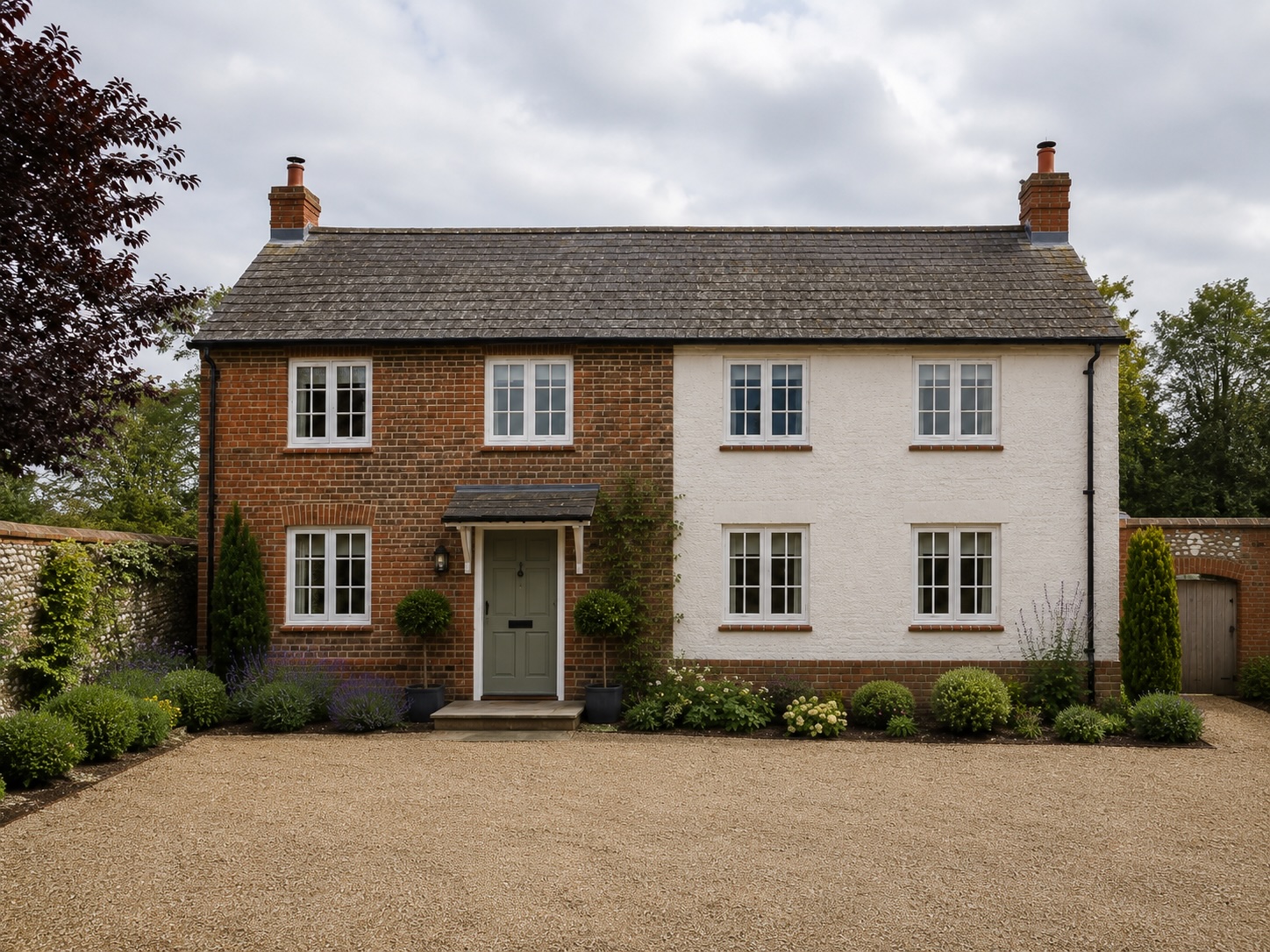
Older homes are often beautiful, characterful and solidly built, but they do not behave in the same way as modern properties.
Many traditional buildings were designed to manage moisture naturally. Walls, plaster, mortar and timber were often able to absorb and release moisture over time, helping the building adjust to changes in weather, temperature and humidity.
Problems can begin when an older home is sealed too tightly with materials that stop this natural moisture movement. While the aim may be to make the property warmer or more energy efficient, the wrong approach can sometimes trap moisture and create new issues.
Quick Answer: Sealing an older home too tightly can cause problems if moisture is prevented from escaping. Traditional buildings often need breathable materials that allow moisture vapour to move through the structure. When unsuitable coatings, insulation or finishes trap moisture, this can increase the risk of damp, condensation, mould and damage to the building fabric.
Many older UK homes were built using traditional materials such as solid brick, stone, lime mortar, lime plaster and timber.
Unlike many modern homes, these buildings were often designed to deal with moisture by allowing it to move through the building fabric and evaporate naturally. This is one reason why older properties are often described as needing to breathe.
That does not mean draughts, cold rooms or poor insulation should simply be accepted. It means any improvement needs to work with the way the building was originally designed, rather than fighting against it.
Historic England explains that traditional buildings and modern buildings differ in how they manage moisture, air and heat. You can read more in their guidance on traditional buildings and energy efficiency.
When an older home is sealed with unsuitable materials, moisture can become trapped inside walls, floors or internal finishes.
This can happen when vapour resistant paints, cement-based renders, unsuitable insulation boards or impermeable coatings are used in the wrong situation.
The problem is not always obvious straight away. The property may look improved at first, but over time moisture can build up behind surfaces or within the wall structure.
Common signs can include:
This is why it is important to think beyond appearance when upgrading an older property.
Making a home more airtight can help improve energy efficiency, but it needs to be done carefully.
If a property is made warmer and more airtight without considering ventilation and moisture movement, indoor humidity can rise. Everyday activities such as cooking, showering, drying clothes and even breathing add moisture to the air.
In a home with poor ventilation or cold surfaces, that moisture can condense on walls, windows and ceilings. Over time, this can contribute to mould and damp-related problems.
The goal should not simply be to seal every surface. The aim should be to improve comfort while still allowing the building to manage moisture safely.
Modern homes are usually built with cavity walls, membranes, barriers and controlled ventilation systems. They are designed as part of a modern construction system.
Older homes are different. Solid wall properties often do not have cavities, and many were built before modern damp proof courses, membranes or insulation systems became standard.
This means a product that works well on a modern property may not always be suitable for a traditional building.
For example, a non-breathable coating may help shed water externally, but if it also prevents trapped moisture from escaping, it could create problems within the wall.
This is why breathable insulation and breathable wall finishes are often recommended for older homes, especially where solid walls are involved.
Breathable materials allow moisture vapour to pass through them rather than trapping it completely.
This helps the building continue to release moisture naturally while still improving comfort and protection. For older properties, this can be especially important because walls may need to dry both inward and outward depending on the season and weather conditions.
Breathability is not about leaving a property cold or draughty. It is about choosing materials that help manage moisture properly.
The Society for the Protection of Ancient Buildings explains that vapour permeable insulating materials can allow existing solid masonry walls to continue to breathe. You can read their advice on breathability and old buildings.
Insulating an older home can make a big difference to comfort, but the wrong insulation system can cause problems.
If insulation traps moisture within the building fabric, it can increase the risk of damp, mould and material decay. This is especially important where solid walls, lime mortar, stone, old brickwork or heritage materials are involved.
Before choosing any insulation system, it is important to understand how the building currently manages moisture.
For many older homes, a thin, breathable insulation approach can be more appropriate than a thick, impermeable system that changes how the wall behaves.
You can learn more about this in our guide to thin breathable insulation for older homes.
Spray cork is designed to provide a thin, flexible and breathable coating that can help improve thermal comfort while allowing moisture vapour to move through the surface.
This makes it different from many hard, cement-based or impermeable coatings.
When applied externally, spray cork insulation can help improve the feel of external walls while still supporting breathability. When used internally, cork plaster can provide a breathable wall finish that may be suitable for older homes where moisture management matters.
It is not about sealing the building shut. It is about using materials that help the property stay more comfortable while still allowing it to function properly.
No two older homes are exactly the same.
Before choosing a coating, insulation product or internal wall finish, it is important to consider the condition of the building. Existing damp, cracked render, damaged pointing, leaking gutters, high ground levels and poor ventilation should all be looked at before work is carried out.
Applying a new surface over an unresolved problem can hide the issue temporarily, but it may not solve the cause.
This is why working with knowledgeable installers and contractors matters. The right advice can help you choose a system that suits the building rather than simply covering over the symptoms.
Older homes can be improved, insulated and modernised, but they need a careful approach.
Sealing a traditional building too tightly with unsuitable materials can trap moisture and create damp, mould or fabric damage over time. Breathable materials help reduce this risk by allowing moisture vapour to move through the structure while still improving comfort.
At Spray Cork UK, we specialise in breathable cork coatings for older homes, solid wall properties and buildings where moisture management is important.
If you are considering external spray cork or internal cork plaster for your property, contact Spray Cork UK today for expert advice.
