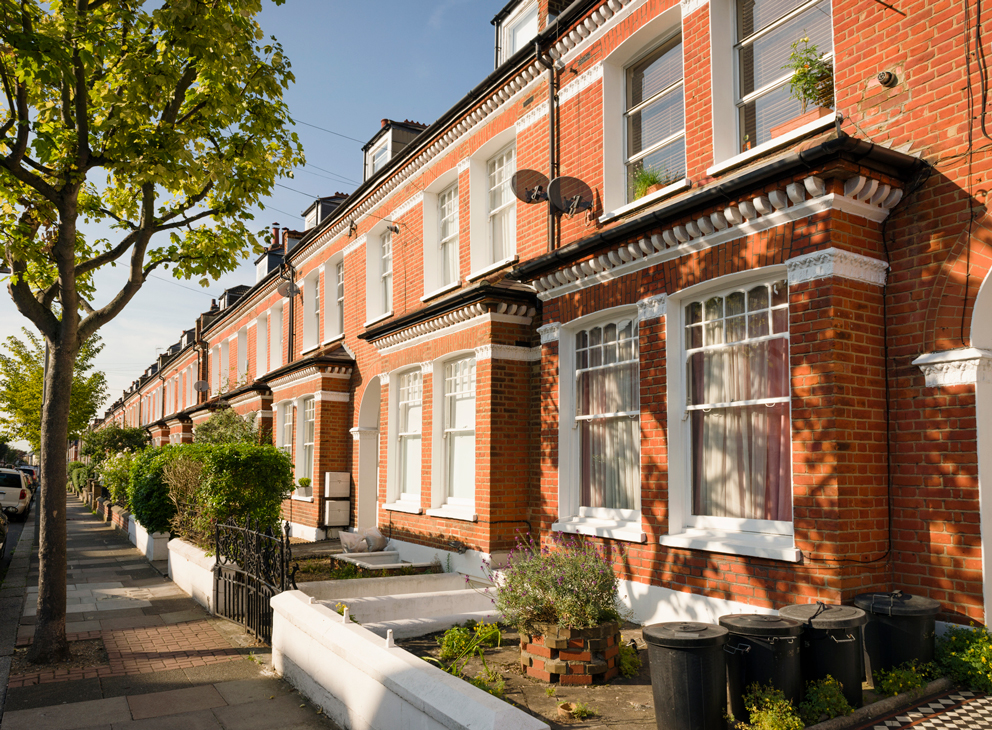
Traditional buildings were designed to manage moisture naturally. Walls allow water vapour to move through the structure and evaporate gradually. This natural process helps prevent damp problems and protects the building fabric.
Installing the wrong insulation materials can disrupt this balance. Some modern insulation systems create an airtight barrier that prevents moisture from escaping. Over time this may lead to condensation, mould growth and deterioration of timber or masonry.
For this reason, insulation upgrades in conservation buildings should always focus on materials that are compatible with traditional construction methods.
Quick Answer: The best insulation options for conservation buildings are breathable materials that allow moisture vapour to pass through walls while improving thermal performance. Natural insulation materials such as cork, wood fibre and sheep wool are often recommended because they help maintain the breathability of historic buildings and reduce the risk of trapped moisture.
Conservation buildings are properties located in designated conservation areas or buildings that have historic or architectural significance. Many of these homes were built before modern building standards and insulation systems existed.
Examples of conservation and heritage properties include:
These buildings often feature solid masonry walls without cavities, lime plaster finishes and traditional construction techniques. Because of this, insulation improvements must be carefully designed to avoid damaging the structure or changing the appearance of the property.
Improving insulation in historic buildings is not as straightforward as it is in modern homes. Traditional buildings rely on breathable construction to manage moisture.
If impermeable insulation is added, moisture can become trapped inside the wall structure. This can lead to problems such as:
Because of these risks, insulation upgrades should be carefully designed and installed using materials that are compatible with the building fabric. Historic properties need an approach that respects the original structure while improving comfort and efficiency.
Breathable insulation allows moisture vapour to pass through the insulation layer rather than becoming trapped inside the wall. This helps maintain the natural moisture balance of the building.
Traditional construction methods rely on breathable materials such as lime mortar and natural plaster. If these materials are sealed with impermeable insulation systems, the wall may no longer be able to dry out properly.
This is why breathable insulation is widely recommended for older properties and conservation buildings.
If you would like to understand this concept in more detail, you can read our guide explaining what breathable insulation is and why older homes need it.
Using breathable materials allows moisture vapour to move through the building fabric, reducing the risk of damp and protecting traditional materials.
Several natural insulation materials are commonly used when improving the energy efficiency of conservation buildings.
These materials help maintain breathability while improving thermal comfort.
Wood fibre insulation boards are made from compressed wood fibres. They are vapour permeable and help regulate humidity within walls.
This type of insulation is commonly used in heritage retrofit projects because it works well with solid masonry construction.
Sheep wool insulation is another breathable material often used in historic buildings. It naturally absorbs and releases moisture, helping regulate humidity levels within the structure.
Sheep wool is frequently used in roof insulation and between timber structures in older homes.
Lime based plaster systems can also be used as part of internal insulation upgrades. Lime plaster is naturally breathable and compatible with traditional masonry.
This type of system is particularly useful where maintaining historic finishes is important.
Cork insulation is a natural material made from the bark of the cork oak tree. It has a unique cellular structure filled with microscopic air pockets that help reduce heat transfer.
One of cork’s key advantages is that it remains breathable while providing insulation benefits. This allows moisture vapour to move through the wall rather than becoming trapped.
Because of this, cork is often considered suitable for breathable construction and heritage building upgrades.
Cork insulation combines several properties that make it suitable for traditional buildings.
It is lightweight, flexible and naturally breathable. Cork also offers thermal and acoustic insulation while remaining resistant to moisture.
Unlike some synthetic insulation materials, cork allows walls to continue regulating moisture. This can help reduce the risk of condensation and mould within the structure.
Cork insulation can also be used in a variety of building elements including walls, floors and roofs, making it a versatile solution for improving energy efficiency.
Cork based insulation systems can be used both internally and externally depending on the requirements of the property.
External spray cork coatings can be applied directly to exterior walls. This creates a thin breathable protective layer that helps reduce heat loss and improve weather resistance while allowing moisture vapour to escape naturally from the building structure.
Internal cork plaster insulation can be applied to interior walls and ceilings to improve comfort and help manage condensation. The plaster contains finely processed cork combined with breathable binders, forming a vapour permeable insulating layer that works well with traditional masonry.
Once finished with a skim coat, the surface can be decorated like a normal plastered wall while helping improve warmth and moisture balance within the property.
You can learn more about how cork plaster insulation systems work and where they can be used inside older homes and conservation buildings.
This combination of internal cork plaster and external spray cork coatings provides a breathable insulation approach that can help improve comfort while protecting the natural behaviour of traditional walls.
Improving insulation in historic buildings requires careful consideration. Choosing the right materials can help improve comfort while protecting the structure of the building.
At Spray Cork UK we specialise in breathable cork coatings that can be used for both internal cork plaster systems and external spray cork insulation applications.
Contact Spray Cork UK today to discuss your property and learn whether cork insulation could be suitable for your conservation building.
