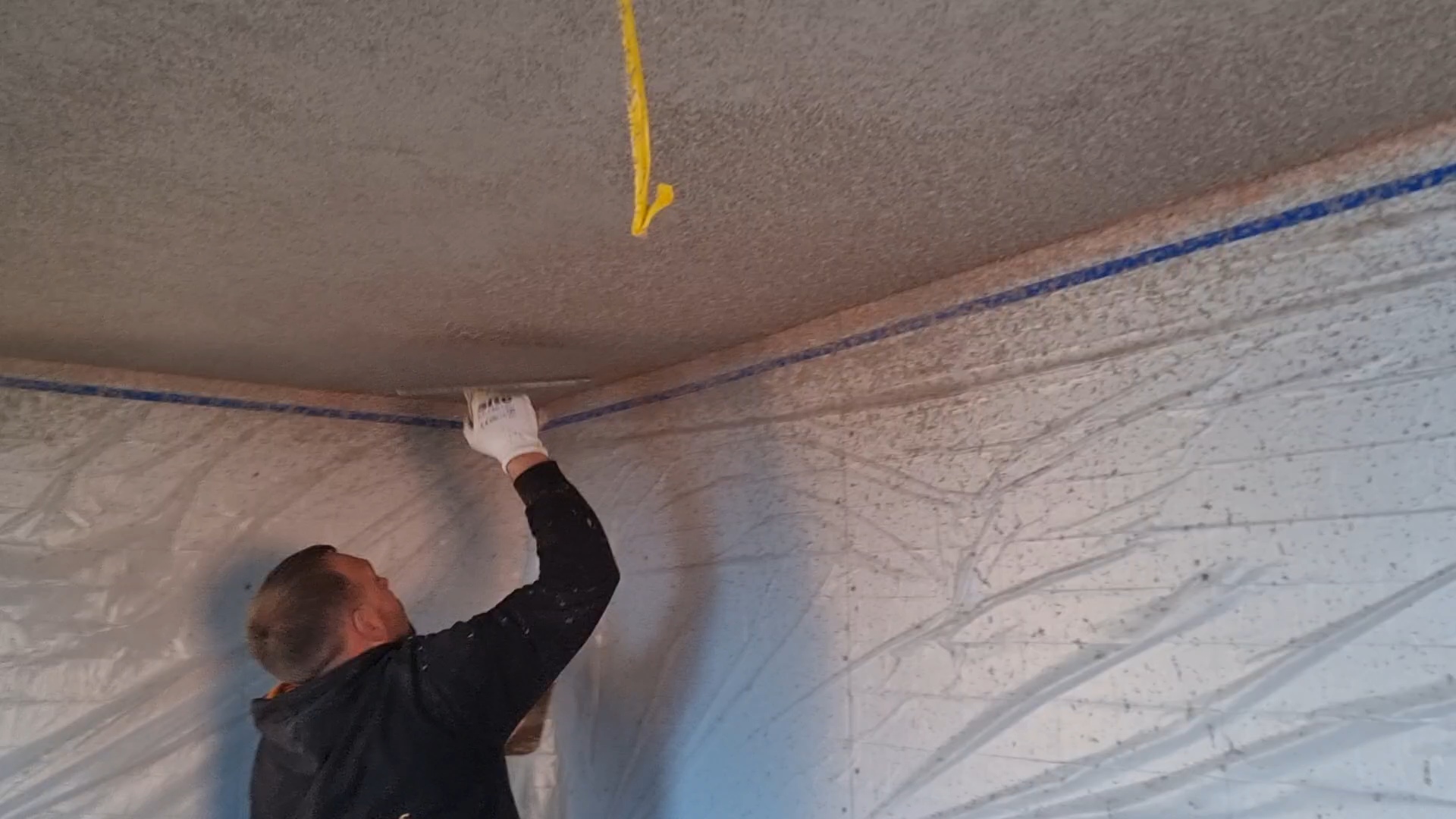
Spray cork insulation is a natural coating made from granulated cork mixed with water-based resins. Once applied, it forms a flexible, breathable layer that both insulates and protects building surfaces.
Unlike cement or acrylic renders, cork is a renewable material harvested from the bark of cork oak trees without harming the tree. According to the Natural Cork Council, the bark naturally regenerates every 9–12 years after the first harvest, making cork one of the world’s most sustainable raw materials.
The finished surface is lightweight yet durable, designed to cope with the UK’s damp, changeable climate — from driving rain to freeze–thaw cycles.
Spray cork acts as a micro-insulating barrier. The cork’s natural air pockets trap heat, helping to maintain comfortable indoor temperatures throughout the year.
In winter, it reduces heat loss; in summer, it reflects solar gain, helping keep interiors cool.
Equally important, spray cork is vapour-permeable. It allows moisture within the structure to escape, preventing condensation and mould growth — a key benefit for older UK homes. By helping walls to breathe, it supports healthy building performance and indoor air quality.
It can be applied to a wide range of surfaces including brick, render, timber, plasterboard, and metal cladding, making it a versatile choice for both new-build and retrofit projects.
While both are insulating materials, they serve different purposes.
Spray foam expands to fill cavities and is commonly used in lofts or under floors. However, some closed-cell foams can trap moisture and are unsuitable for traditional solid-wall homes.
Spray cork, on the other hand, is applied as a coating — internally or externally — to create a breathable, flexible surface. It is ideal for managing moisture in older or solid-walled buildings.
If your property struggles with condensation, failing render, or cold bridging, spray cork is usually the safer, more sustainable option.
Learn more about professional spray cork installation
Spray cork can be applied to:
Its strong adhesion and flexibility make it suitable for a wide variety of substrates and climates across the UK.
Yes. Spray cork performs exceptionally well in Britain’s damp and variable weather. It resists water ingress while allowing trapped moisture to evaporate, preventing blistering or peeling common in dense renders.
In coastal locations, it demonstrates good resistance to salt spray; in colder regions, it copes with repeated freeze–thaw cycles without cracking or delamination.
Homeowners may also wish to check current government incentives under the Great British Insulation Scheme.
A certified installer uses a specialist spray gun to apply multiple thin layers of the cork coating. Each layer cures rapidly, bonding to the substrate and forming a smooth, protective finish.
The process is relatively clean and can often be completed within one to two days, depending on the project size.
To guarantee performance and warranty coverage, always use a trained professional.
Find out how to become a certified spray cork applicator
Spray cork requires minimal upkeep. Its finish resists algae, fading, and cracking. Routine cleaning with water or a mild detergent is usually sufficient.
When applied correctly, the coating can last 25 years or more, often outlasting conventional paints or renders in typical UK exposure conditions, as highlighted by GreenCork UK.
Cork is among the world’s most sustainable natural materials. Harvesting bark does not harm the tree, and cork oaks can live for over 200 years.
Cork forests store large amounts of carbon and provide habitats for diverse wildlife. The Rainforest Alliance confirms that cork ecosystems support biodiversity and help combat desertification.
By choosing spray cork over synthetic alternatives, you reduce your project’s embodied carbon and support a regenerative supply chain.
Spray cork can complement other breathable insulation materials, such as lime plaster, hemp-lime, or wood fibre boards. Used together, they enhance overall thermal performance while maintaining vapour permeability.
Consulting with a qualified installer ensures the correct system build-up for your property.
If you’re considering spray cork for your property, the team at SprayCork UK can help with supply, installation, and certified training.
Whether you’re a homeowner improving comfort or a tradesperson expanding your skill set, there’s a service for you.
With correct application and maintenance, spray cork can last over 25 years. Some systems carry warranties of up to 25 years.
Yes. Spray cork is vapour-permeable, allowing trapped moisture to escape rather than sealing it in, which helps reduce condensation and mould growth.
Yes. Its breathable, flexible nature makes it ideal for heritage properties where rigid, cement-based renders may cause damage.
A wide range of colours is available, allowing homeowners to refresh or match their existing façade.
For best results, use trained professionals. Alternatively, attend a certified training course to learn proper preparation and application techniques.
Spray cork insulation combines natural materials with modern performance. It delivers breathable protection, long-term durability, and a beautiful finish — all while reducing environmental impact.
Whether you want to cut energy costs, prevent damp, or modernise your exterior, spray cork offers a smart, sustainable solution.
Get in touch with SprayCork UK today to discuss your project or request expert guidance.
